
Complete Pre-Season Inspection
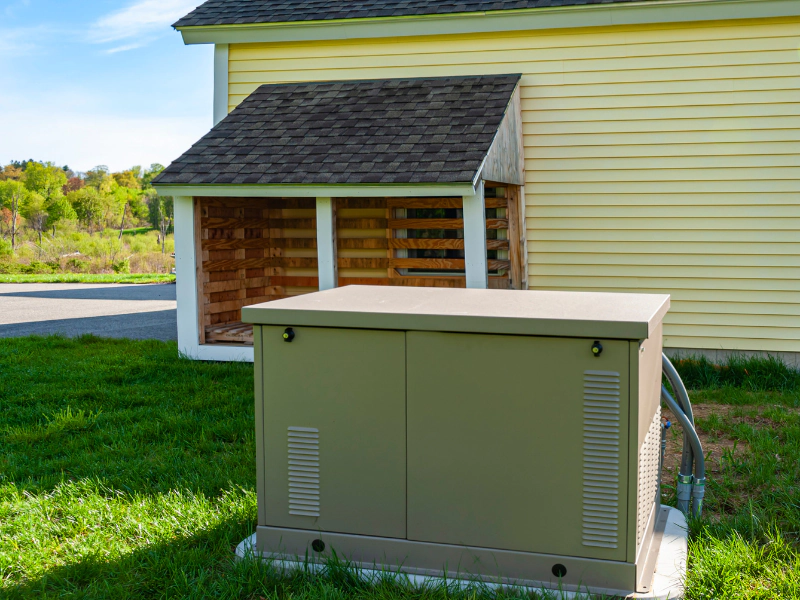
Before hurricane season peaks in late summer, a thorough inspection of your inverter or standby generator can mean the difference between riding out a storm comfortably and scrambling in the dark. Start by examining the exterior housing for any cracks, rust spots, or signs of pest intrusion. Southeast Texas humidity creates ideal conditions for corrosion, especially on metal components exposed to our coastal air.
Check all fuel lines and connections for wear or leaks. For standby generators connected to natural gas lines, verify that connections are tight and there are no unusual odors. If your unit runs on propane, inspect the tank gauge and schedule a refill if you’re below half capacity. Most families in Orange and the surrounding areas learned during past storm seasons that fuel availability becomes scarce once a hurricane warning is issued.
Test your generator under load for at least 30 minutes. This means actually running appliances and systems, not just letting it idle. Listen for unusual sounds, vibrations, or exhaust odor changes. Document the voltage output to ensure it remains stable throughout the test period. If you notice any irregularities, addressing them now, while contractors have availability, is far easier than waiting until the week before landfall predictions arrive.
Fresh Oil Changes Everything
Generator engines work hardest when you need them most, and clean oil is their lifeline. If your standby generator hasn’t been serviced since last season, or if your inverter generator saw heavy use, now is the time for fresh oil and a new filter. Southeast Texas heat and humidity accelerate oil breakdown, and moisture can accumulate in the crankcase even during storage.
For standby units that run weekly exercise cycles, follow the manufacturer’s hour-based service intervals religiously. Most call for oil changes every 100 to 200 hours of operation, but if your unit sits idle between tests, consider changing oil annually regardless of runtime. Old oil loses its protective properties and can form sludge that clogs passages and reduces cooling efficiency.
Inverter generators used for backup during outages need the same attention. After extended runtime during a power loss, schedule service before storing the unit. Using the correct oil viscosity for our climate matters too. The temperature swings from our mild winters to brutal August afternoons mean multi-grade oils perform best. Always consult your owner’s manual for specifications, and keep service records to track maintenance history. When you’re running essential medical equipment or keeping food from spoiling during a multi-day outage, proper lubrication is not optional.
Battery Health Is Critical
Your standby generator’s battery provides the starting power when the transfer switch signals an outage. A weak or dead battery turns your expensive backup system into an ornament. Test battery voltage with a multimeter; a fully charged 12-volt battery should read between 12.6 and 12.8 volts at rest. Anything below 12.4 volts indicates the battery needs charging, and readings under 12 volts typically mean replacement time has arrived.
Inspect battery terminals for corrosion, which appears as white, blue, or green crusty buildup around connections. Our humid coastal climate accelerates this process. Clean terminals with a wire brush and apply a thin coating of dielectric grease to prevent future corrosion. Ensure all connections are tight; a loose cable can prevent starting just as effectively as a dead battery.
For inverter generators with electric start features, the same battery maintenance applies. Many homeowners forget about these batteries during storage, then discover a dead unit when they need it most. If your generator will sit unused for extended periods, consider a battery tender to maintain charge. Most standby generators have built-in charging systems, but verify yours is working by checking battery voltage before and after a weekly exercise cycle. The voltage should increase slightly after running, confirming the charging system functions properly.
Transfer Switch Testing
The transfer switch is the brain that detects power loss and signals your standby generator to start. A malfunction here means your generator never knows it’s needed, leaving you in the dark despite having a perfectly functional unit outside. Test the transfer switch by simulating a power outage; most modern units have a test mode that allows this without actually cutting main power.
Listen for the distinctive click of contactors engaging as the switch moves from utility to generator power. The transition should be smooth and complete within seconds of the generator reaching proper voltage and frequency. If you notice hesitation, repeated attempts to transfer, or partial transfer where some circuits remain without power, the switch needs professional attention.
Verify that your critical circuits are correctly prioritized. Many transfer switches allow you to select which circuits receive generator power first. Essential items like refrigeration, medical equipment, heating or cooling systems, and at least one lighting circuit per floor should top the list. In Southeast Texas, maintaining air conditioning during extended summer outages is not just about comfort; extreme heat poses real health risks, especially for elderly family members and young children.
Fuel Quality Matters
For inverter generators that run on gasoline, fuel quality determines whether your unit starts on the first pull when you need it. Gasoline begins degrading within 30 days, and our hot Texas summers accelerate the process. Ethanol-blended fuels attract moisture and form varnish deposits that clog carburetors and fuel injectors. If you stored your portable generator with old fuel from last season, drain it completely and start fresh.
Add fuel stabilizer to every batch of gasoline you store for your generator. This inexpensive additive extends fuel life to 12 months or more and prevents the gum and varnish formation that causes most starting problems. For families who keep filled gas cans ready for hurricane season, label each container with the purchase date and rotate stock regularly. Running your inverter generator monthly on stored fuel, then refilling with fresh stabilized gas, keeps both the fuel system clean and your supply current.
Standby generators connected to natural gas lines have a significant advantage in fuel reliability, since the supply is continuous and doesn’t degrade. However, if your standby unit runs on propane, verify tank levels well before storm season intensifies. Propane suppliers get overwhelmed with requests once a storm enters the Gulf, and delivery waits can stretch to weeks. Keep your tank at least half full during hurricane season, and consider a larger tank if your current capacity wouldn’t sustain you through a week-long outage.
